Month: February 2016

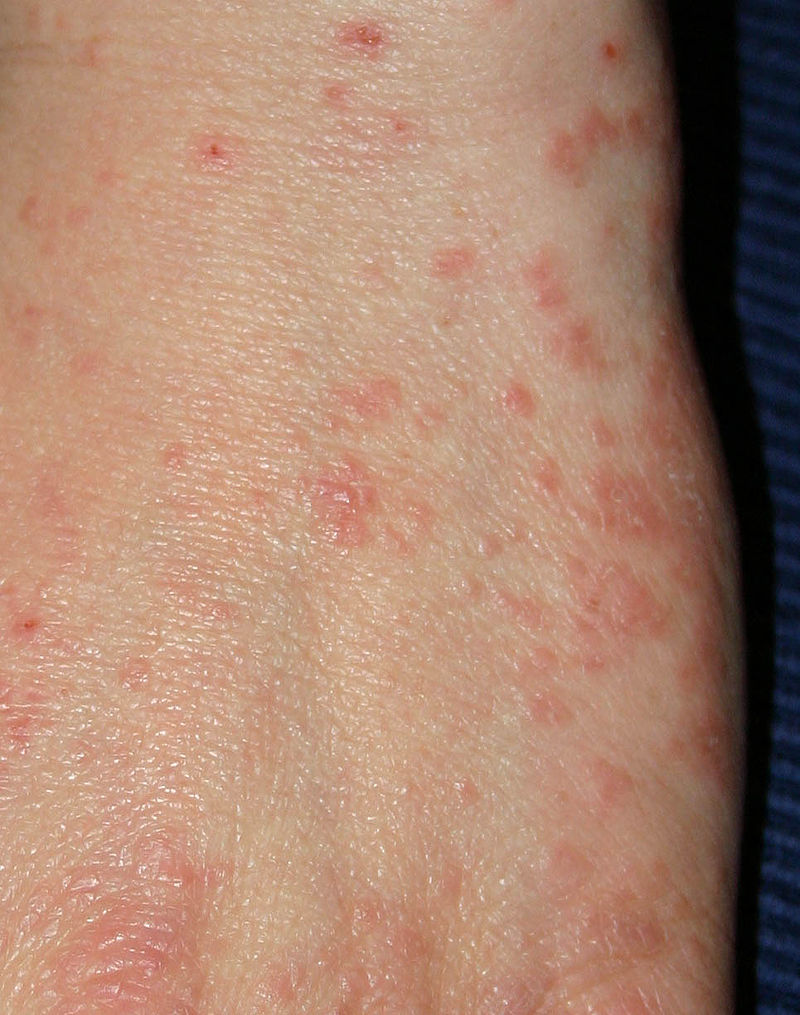
Acne

Some Tid-Bits
  • Four factors lead to acne formation: increased sebum production, hyperkeratinization, propionibacterium acnes colonization, and inflammatory reaction.
  • Treatment Steps (from mild to severe)
    1. Comedones – Rx Topical Retinoids (Tretinoin, Adapalene, Tazarotene) – generally works about the same. For the following additional symptoms:
    2. Inflammation – Add Topical Non-Abx (Benzoyl Peroxide, Azelaic Acid) +/- Topical Abx (
    Continue reading

    Insomnia

    Some Facts:
  • Insomnia (ICSD-3 Definition) – Difficulty falling asleep, difficulty staying asleep, early awakening, daytime impairment (i.e. fatigue, poor concentration, moody, increased errors, social dysfunction, worry). Occurs at least 3x per week x1 month. Chronic if >3 months.
  • Comorbid Conditions – OSA/breathing disorders, circadian rhythm disorders, GI issues, pruritus, heart failure, pain, restless legs syndrome, nocturia, medication side effects, psych
  • Continue reading

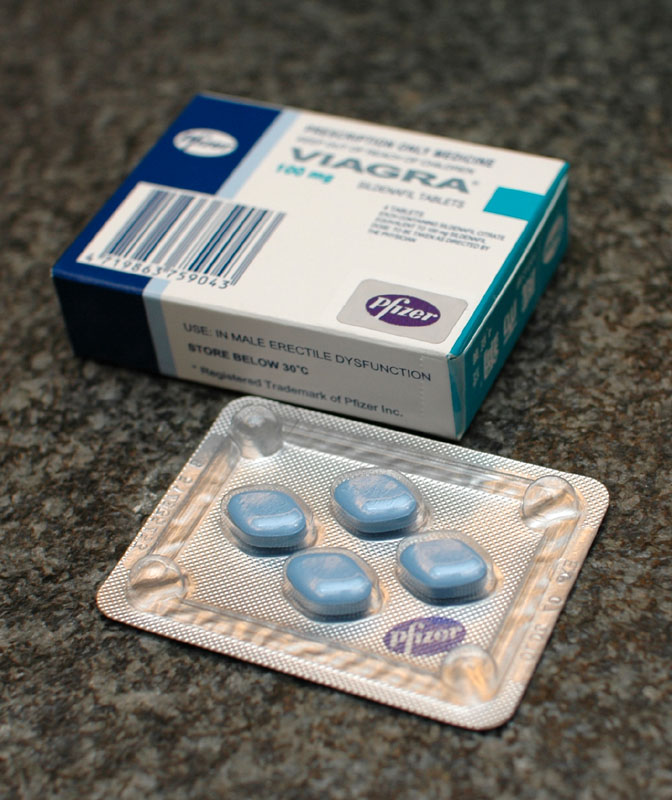
    Erectile Dysfunction

    H&P
  • Check for psych factors, medications that may cause ED, and possible medical contributions to ED (DM2, obesity, CAD). Do physical exam to check for hypogonadism, peyronie’s disease, or other possible causes of ED.
  • Labs
  • Total testosterone level (deficient if <300), TSH, lipid panel, A1C. Remember, ED can be a sentinel marker for CAD.
  • First-Line Treatment
  • Phosphodiesterase-5 Inhibitors – all
  • Continue reading

    Scoliosis

    Background
  • Definition: >10° lateral curve to spine with vertebral rotation
  • Types: classified as congenital, neuromuscular, or idiopathic. Idiopathic scoliosis is further classified by age: Infantile (0-2 yo), Juvenile (3-9 yo), Adolescent (>10 yo).  Adolescent Idiopathic Scoliosis is the most common form.
  • Etiology unknown. Likely polygenic.
  • Risk factors for disease progression – initial Cobb angle (angle of curvature of spine) most
  • Continue reading