

They May Not Be Like You
Paperwork
As you can see from the recent dearth of posts on this blog, you may be wondering, is Benji still writing?
Well, the answer is I am writing more than I ever have. Ever. The posts I write now are called SOAP notes, on a type of blog called the “electronic medical records,” about people and their medical issues .…
Continue reading

Thanksgiving Thoughts
I am thankful for:
Two healthy kids. They know that they need to finish dinner all gone before getting any dessert. Fruit is a dessert in our family. They eat their greens because they know it’s good for them. They are fine with drinking water when thirsty. They know to brush their teeth and tongue every night, or else they’ll …
Continue reading

Reconnection
The last year and a half has no doubt been busy for Irene and me, as we do our best to balance running a medical practice and raise a family. When we first took over the clinic that my pediatrician father had founded nearly 20 years, there were lots of things that needed to be changed to suit our practice:…
Continue reading
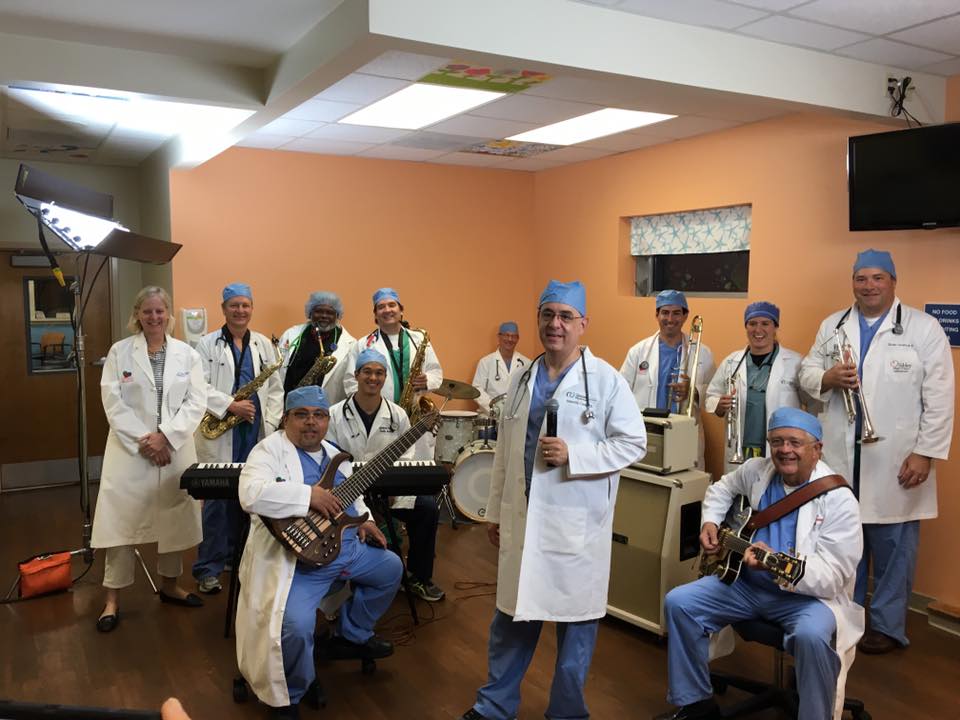
Doctors Against Stroke and Heart Attack
Last month, I had the pleasure to participate in a music video with other doctors in the Macon community with DASH, or “Doctors Against Stroke and Heart Attack.” Hope you enjoy!…
Continue reading
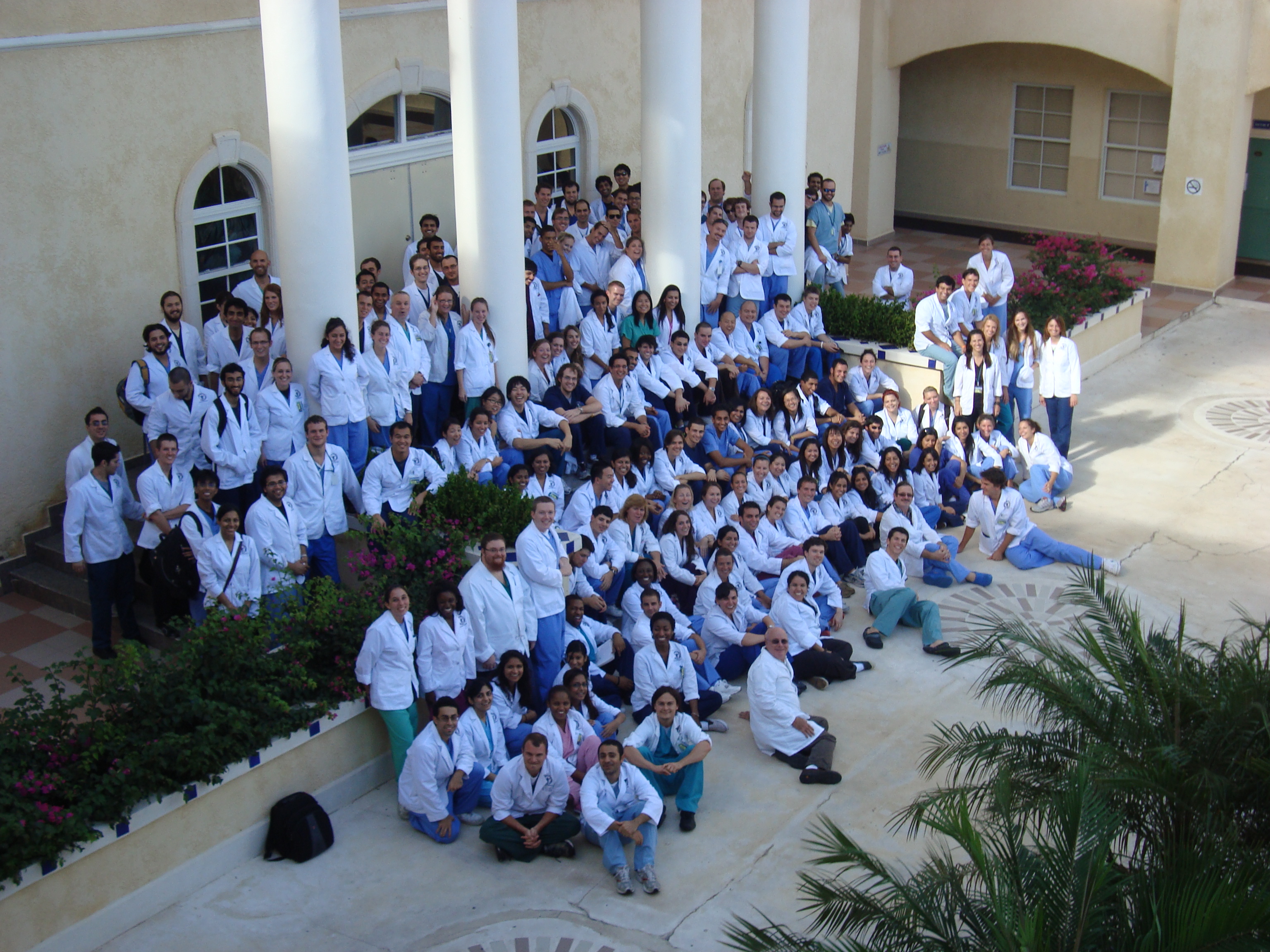
Hurricane Irma
It breaks my heart to see what happened to St. Maarten during Hurricane Irma. This place had been my home for two years while I was studying medicine at AUC, and it was where Irene and I got engaged. We had a lot of sweet memories here.
I feel bad for the current students there right now. When I was… Continue reading
I feel bad for the current students there right now. When I was… Continue reading
Forever a Student
As a doctor, lectures and exams do not stop at med school graduation. Nor does it stop after end of residency. Getting state-licensed and board-certified is never a one-time done deal. In order for me to maintain my legal ability to practice medicine, I will be required to earn CME (continuing medical education) credit.
CME comes in many shapes and…
Continue reading
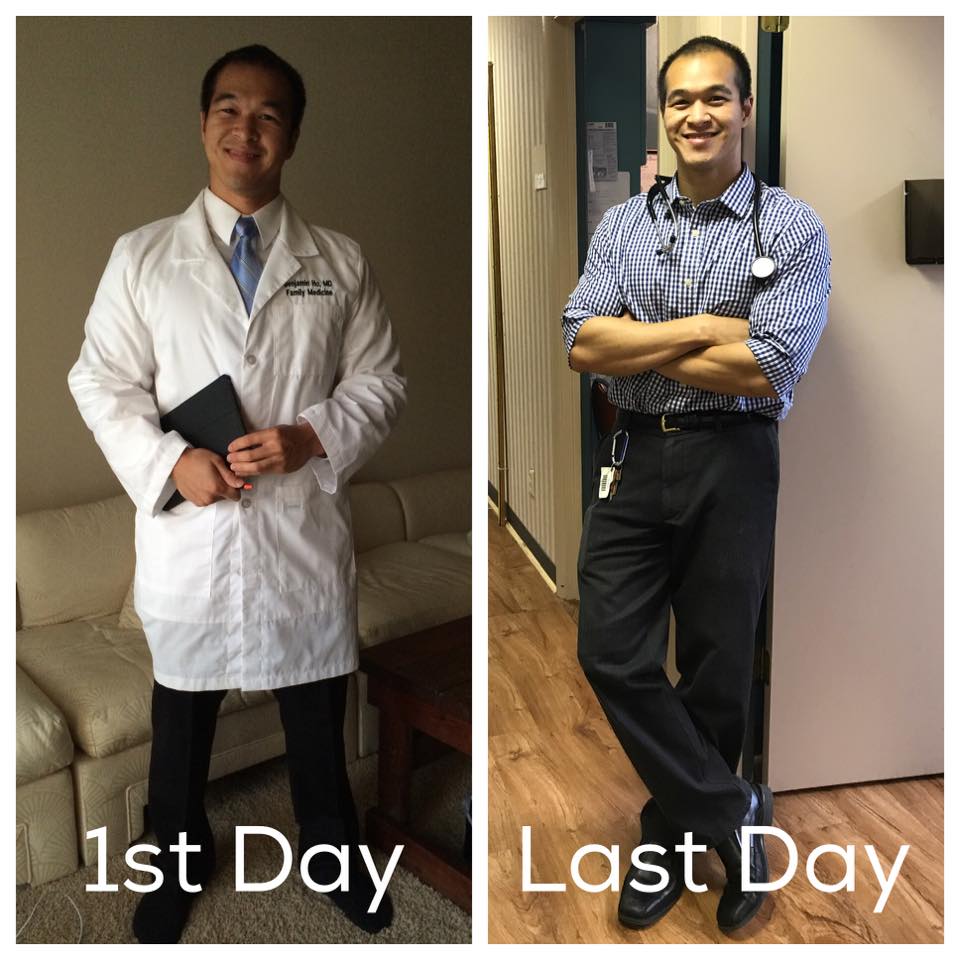
End of Residency
So that’s that, the end of residency. There’s no one word that can describe the last three years. Residency had been challenging, no doubt, with a steep learning curve, long work hours, and long board exams to study for. Throw two kids in the mix, balancing work and family life has made the experience a little more interesting.
However, there…
Continue reading

Staying Fit in Medical School
A few months back, I received a question from a blog reader concerning staying fit during medical school. Jonathan writes:
“Benji, I have some questions regarding maintaining overall health and fitness during medical school, something which you obviously appear to have done. What did you personally do and what advice would you give to incoming students? Was there a specific…
Continue reading
Happy to Announce…
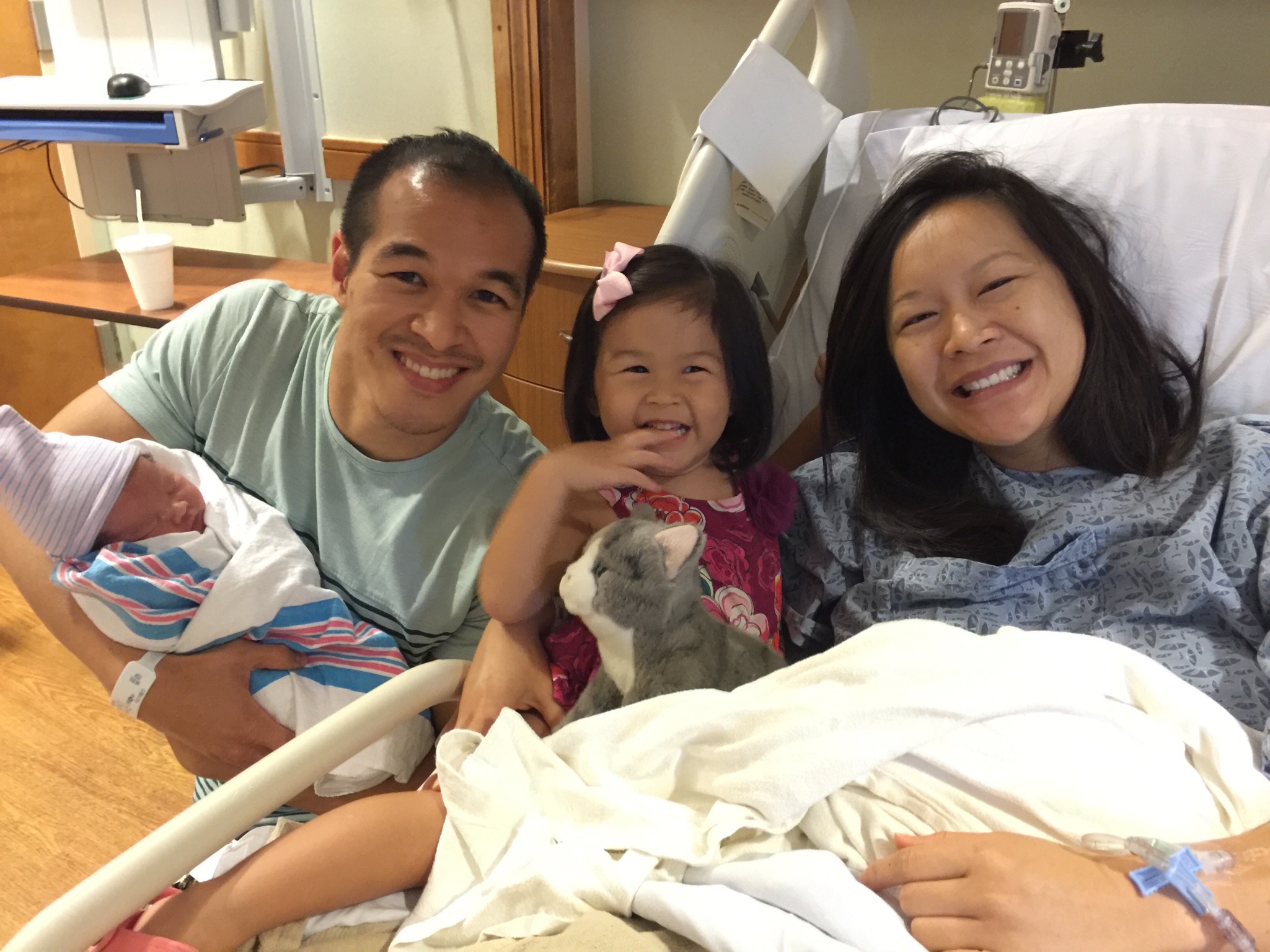
A little over a week ago, I wanted to give yall an update that I have just been granted my full license to practice medicine in Georgia by the Georgia Composite Medical Board. I was going to talk about how licensure was a lengthy process that requires successful completion of all three United States Medical Licensing Exams (USMLE), as well…
Continue reading
About the USMLE
What is the USMLE?
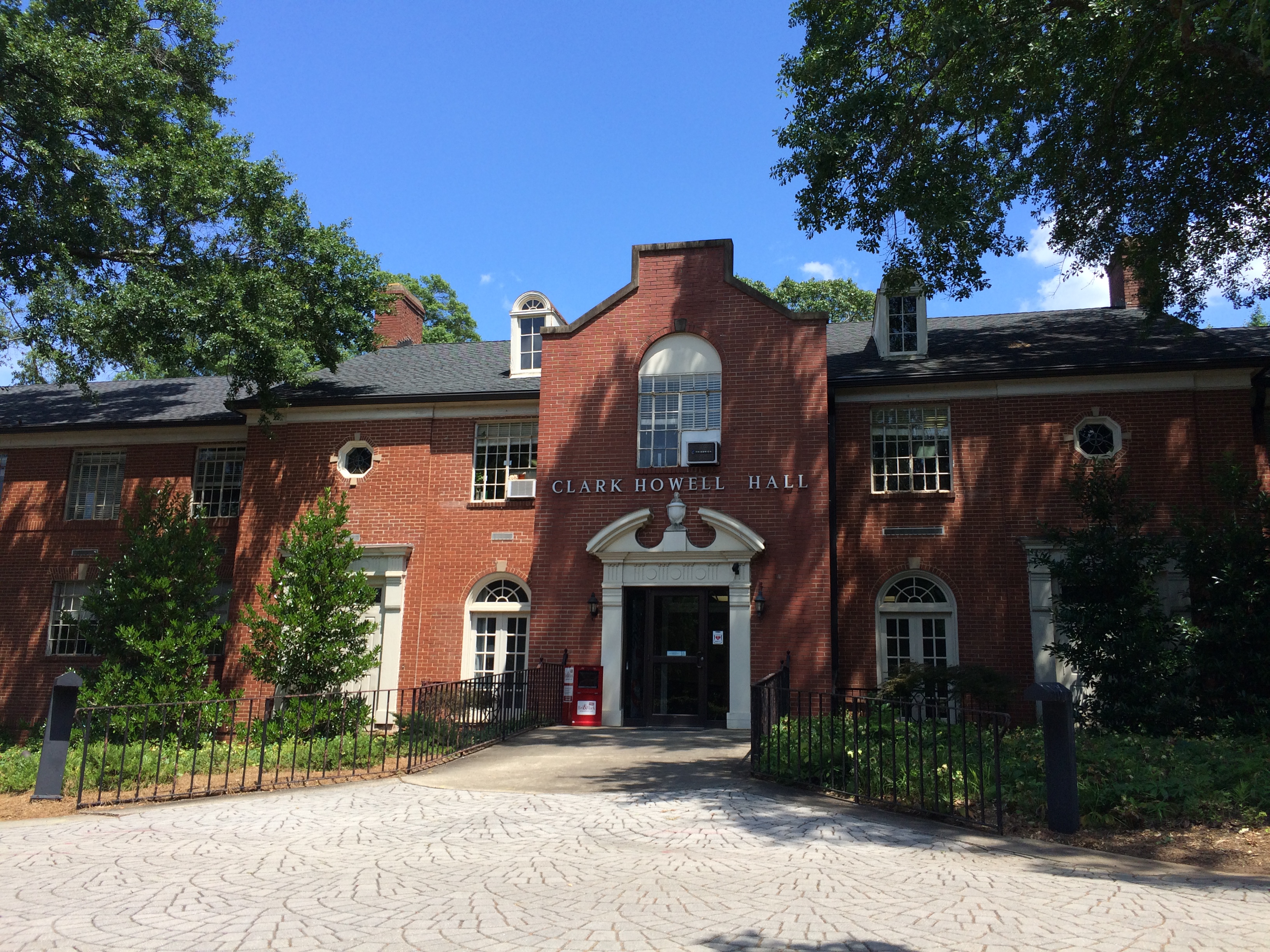
In order to apply for licensure to practice medicine in the states, one must complete the United States Medical Licensing Exam, also known as the USMLE. The USMLE is not one exam, but several, taken as a series of exams over the course of med school and residency. There are four exams, divided into…
Continue reading

Beginning of the End
And just like that, there goes another year of residency. Every July 1, all around the US, hospitals start seeing a new set of faces taking care of patients, working with the rest of the staff. They are the new doctors, the interns. That same day, the previous interns also take their role as the new second-year residents, and the…
Continue reading
An Exciting Day
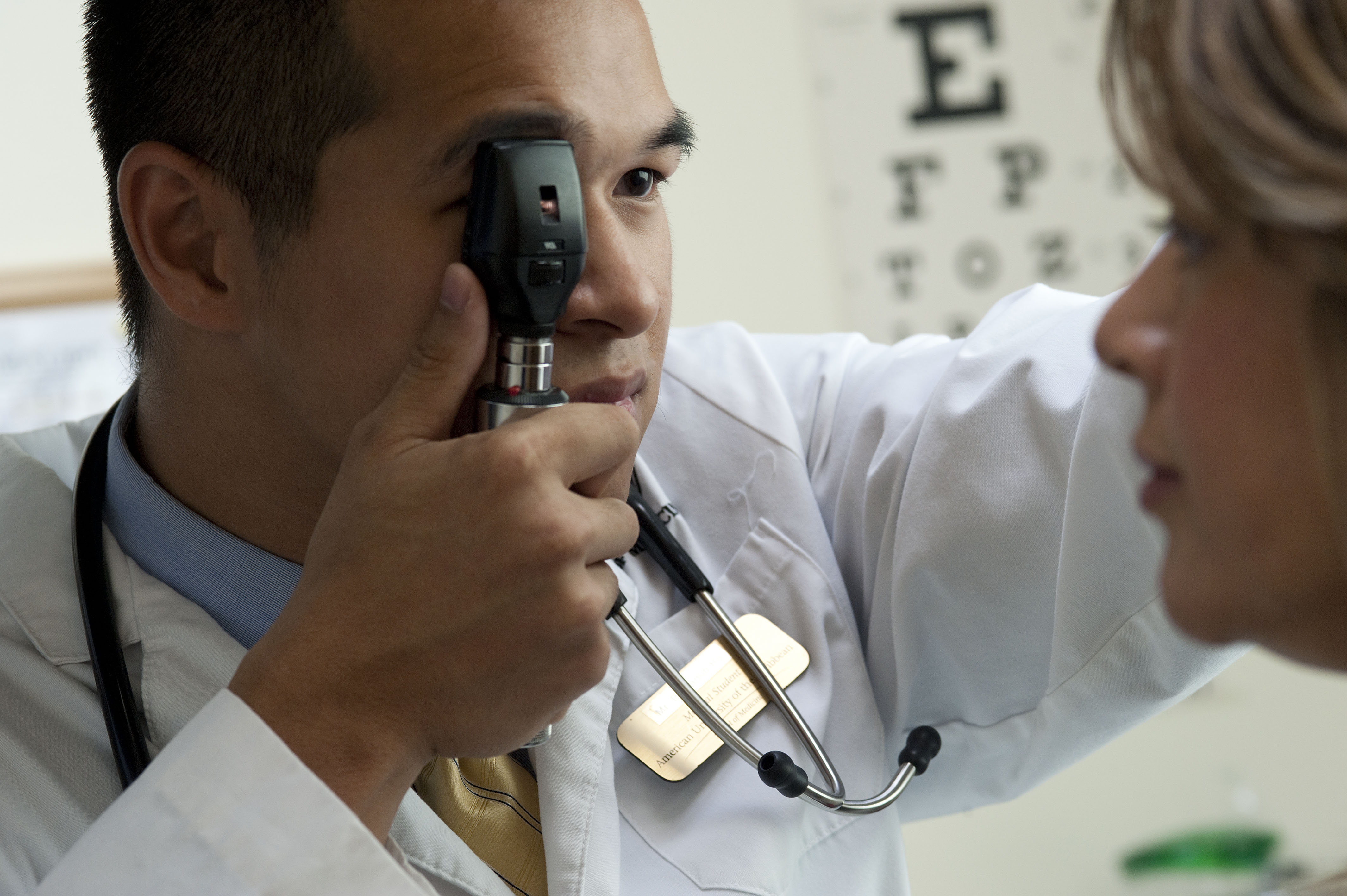
Do you remember when you were a kid and wondered what you will be when you grew up? Well, today is that special day when many of my medical colleagues find out. It’s Match Day! Congratulations to all those who matched this year. I am truly impressed by the matches AUC graduates have placed this year. Going through my Facebook,…
Continue reading
Why Family Medicine?
Why Family Medicine?
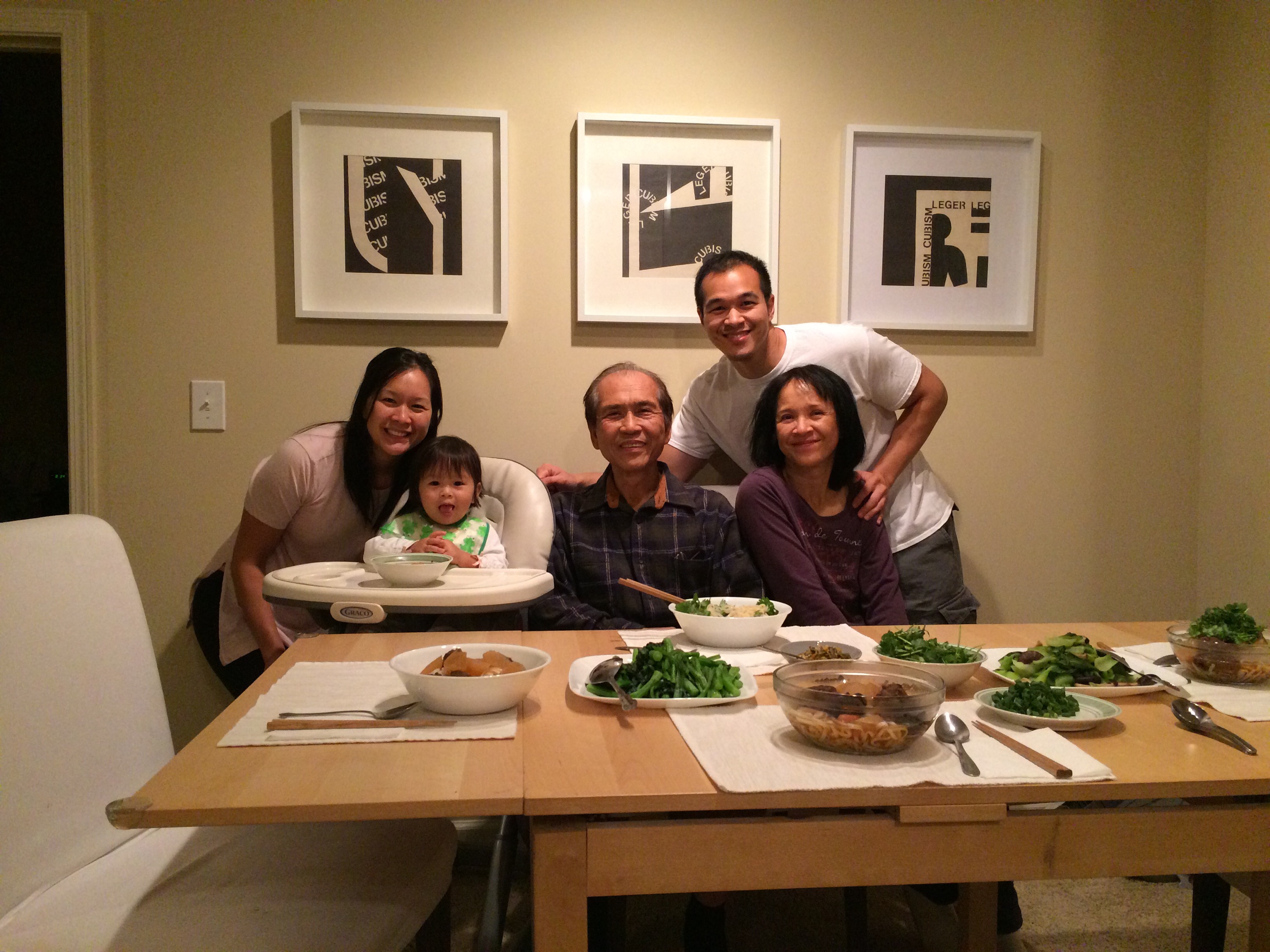
It is a very satisfying field, particularly if you love building relationships with patients and their families. I’ve gotten to treat both parents and their kids. I’ve even got to take care of a pregnant woman, deliver her baby, then take care of both her newborn and herself post-partum. The range of practice is wide, and the…
Continue reading

End of Intern Year
So it’s come to this day, the end of internship year. There’s no doubt that there were some rough days and sleepless nights during the past 365 days, but there were also many days when I came home with a smile knowing I did something significant for someone else.
As for my co-residents, I have really enjoyed working with them…
Continue reading

Return to the Caribbean
The last time I saw the Caribbean was the day I hauled my bags to the airport and flew away from St. Maarten where I had been living for two years for Basic Sciences, to move back to the states to start my clinical rotations. That was in the fall of 2011. It wasn’t until nearly four years later, this…
Continue reading
Dos and Don’ts for Residency Application and Interview
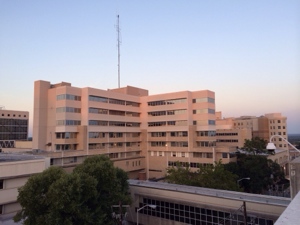
It’s that time of the year again… interview season. It didn’t seem that long ago that I was interviewing here and meeting my current colleagues for the first time. Today, I find myself on the other side of the dinner table, interviewing candidates who I will potentially work with next year. I’ve gotten to read many applications, and met many…
Continue reading

Hobby
Hey folks,
I know I haven’t blogged in a while, but I am still here, surviving my intern year.
Residency has been pretty busy thus far, but there hasn’t been a day gone by where I haven’t come home feeling I’ve had a productive day. My intern experience thus far has been pretty inpatient-heavy. I’ve had two months of internal…
Continue reading

45 Thoughts Running Through My Head During Match Season
It’s that time of year again, when all medical students who are transitioning into doctors go through a rite of passage called the Match season. I can’t believe it’s been a year already since I went through mine. It hasn’t been that long since I’ve been on this side of the Match, and already, I will be interviewing applicants like…
Continue reading



Join the Discussion!